
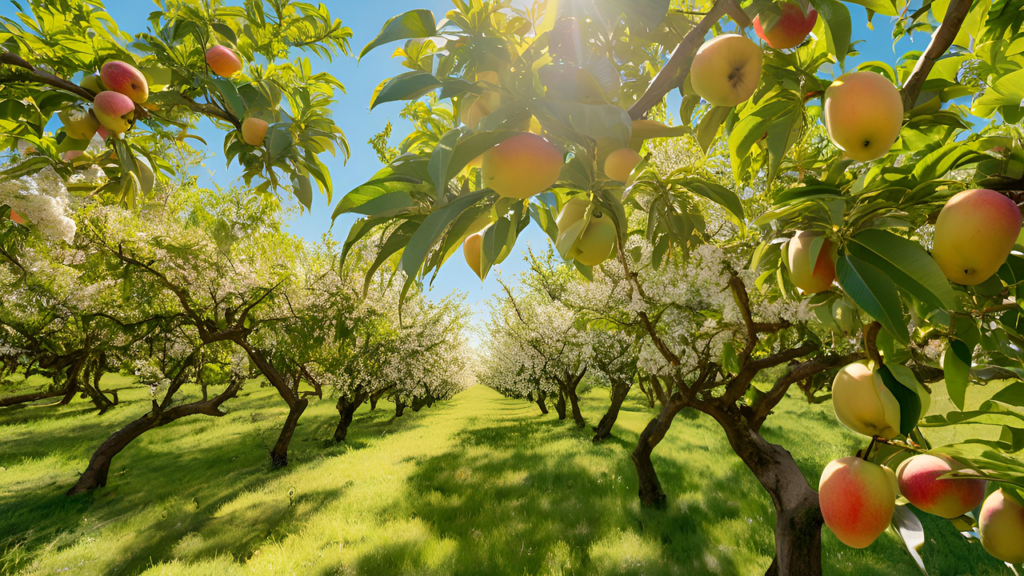
Mango farming is one of the most rewarding long-term agricultural investments in India. In coastal regions like North Goa, mango orchards are gaining attention among farmers and agribusiness investors due to their stable demand and long productive lifespan. Many agricultural communities and knowledge platforms like Krishi Parivar regularly highlight mango orchards as a sustainable way to build generational wealth through farming.
With the right planning, mango cultivation can offer consistent income for decades while also increasing the overall value of agricultural land.
Why North Goa is Ideal for Mango Orchards
North Goa has favorable agro-climatic conditions for mango cultivation. The region experiences a tropical climate with moderate to heavy rainfall, warm temperatures, and well-drained laterite soil. These conditions support healthy mango tree growth and high fruit quality.
Popular mango varieties such as Alphonso, Kesar, and local Goan varieties grow well in this region. Farmers often choose grafted saplings to ensure early fruit production and consistent quality.
Experts in krishi parivar often recommend mango orchards for farmers looking to establish long-term perennial crops because mango trees can remain productive for 40–60 years when properly maintained.
Initial Investment for a Mango Orchard
Starting a mango orchard requires careful planning and moderate investment in the first few years. Key expenses include land preparation, planting material, irrigation systems, fertilizers, and labor.
Typical investment per acre in North Goa may include:
- Land preparation and pit digging: ₹15,000 – ₹20,000
- Grafted mango saplings (60–70 plants): ₹10,000 – ₹15,000
- Organic manure and fertilizers: ₹8,000 – ₹12,000
- Irrigation setup (drip recommended): ₹15,000 – ₹25,000
- Labor and maintenance: ₹10,000 – ₹15,000
The total initial investment generally ranges between ₹60,000 and ₹90,000 per acre.
According to farming discussions on krishi parivar, drip irrigation systems can significantly improve water efficiency and tree health, especially during the early growth phase.
Production Timeline and Yield
Mango orchards require patience because they are long-term investments. Grafted mango trees typically start producing fruit within 3–4 years, while full production is achieved between 8–10 years.
A mature mango tree can produce 80–200 kg of fruit per year, depending on the variety, climate, and orchard management.
With approximately 60 trees per acre, the potential annual yield can reach 4,000–8,000 kg of mangoes per acre once the orchard is fully mature.
Farmers associated with krishi parivar often share that proper pruning, nutrient management, and pest control are essential to maintain high productivity over the long term.
Market Demand for Mangoes
Mango is known as the “King of Fruits” in India and enjoys strong demand in both domestic and international markets. Premium varieties like Alphonso are particularly valuable and command high prices during the harvest season.
The average farm-gate price for mangoes can range from ₹40 to ₹120 per kg, depending on the variety, quality, and market conditions.
Based on these prices, a fully productive mango orchard can generate ₹2,00,000 to ₹5,00,000 per acre annually in favorable seasons.
Farmers on krishi parivar also highlight additional income opportunities through value-added products such as:
- Mango pulp processing
- Pickles and chutneys
- Dried mango slices
- Direct farm sales or agri-tourism
These value-added activities can significantly increase profitability.
Long-Term Wealth Creation Through Mango Orchards
One of the biggest advantages of mango farming is its long lifespan. A well-managed orchard can remain productive for decades, making it a powerful asset for farmers.
Unlike seasonal crops that require replanting every year, mango trees provide continuous harvests after maturity. Over time, the orchard can generate stable income while the land value also appreciates.
Discussions on krishi parivar often describe mango orchards as a “green retirement plan” for farmers because the trees continue producing fruit for generations.
Challenges and Risk Management
Despite its benefits, mango farming does come with certain challenges. Pests such as fruit flies and diseases like powdery mildew can affect production if not properly managed.
Weather conditions also play a role. Excess rainfall during flowering or fruiting stages may reduce yields.
To manage these risks, farmers on krishi parivar recommend:
- Integrated pest management practices
- Regular pruning and canopy management
- Soil testing and balanced fertilization
- Proper irrigation planning
These practices help maintain healthy orchards and consistent production.
Conclusion
Mango orchard investment in North Goa offers a powerful opportunity for long-term agricultural wealth creation. With suitable climate conditions, strong market demand, and decades of productive lifespan, mango cultivation can provide a reliable income for farmers and investors alike.
By learning modern orchard management techniques through agricultural communities like Krishi Parivar, farmers can improve productivity and profitability. With patience, proper planning, and sustainable farming practices, a mango orchard can become a valuable asset that generates income for generations.