
The Complete Guide to Managed Farmland Investment in India
By Super Admin · 15 July 2026
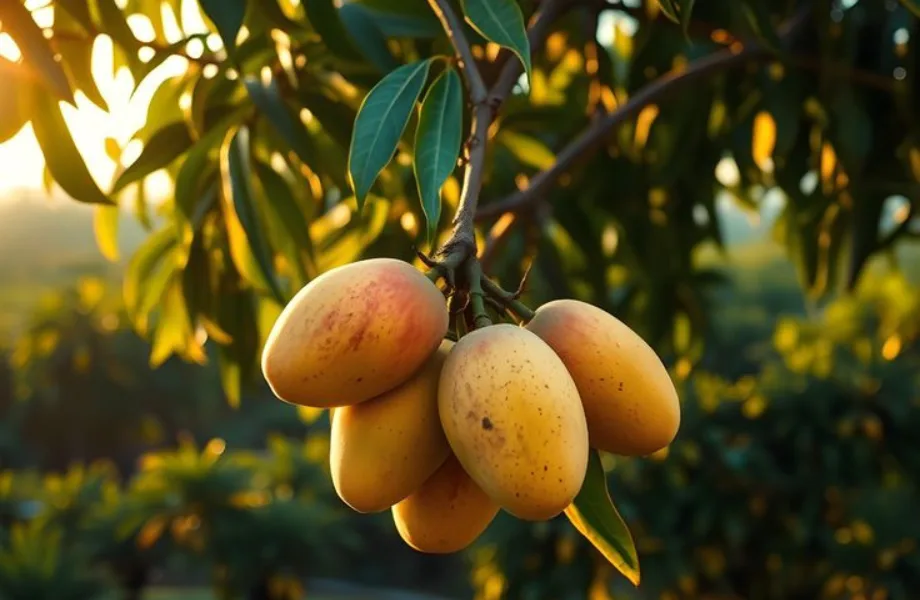
Buying agricultural land in India has traditionally meant one of two outcomes: the land sits idle because the owner has no way to farm it themselves, or the owner takes on the full burden of managing cultivation from a distance. Managed farmland investment is designed to solve that gap.
What managed farmland means. In a managed farmland model, you own the plot outright — with a registered title in your name — but a professional team handles plantation, irrigation, pest control and harvesting on your behalf. You're not buying a share in a fund or a company; you're buying land, with a service layer on top that keeps it productive.
How it differs from buying raw agricultural land. Raw agricultural land is a bet on appreciation alone, and often requires you to either farm it yourself, lease it out informally, or leave it fallow. Managed farmland is built around an established plantation — crops that are already growing or being planted as part of the project — so there's a income-generating asset on the land from early on, not just bare soil.
What to verify before investing. Regardless of how a project is marketed, the fundamentals of any land purchase still apply: confirm the title is clear and legally verified, check that agricultural land ownership rules in that state allow purchase by your investor category, and get the maintenance/management commitments in writing rather than relying on verbal assurances. It's worth having your own lawyer review documentation independently, even when the seller provides paperwork.
Who it tends to suit. Managed farmland works well for people who want exposure to land and agricultural income without the operational involvement — professionals with limited time, NRIs investing back home, or families looking for a weekend farmhouse that isn't simply sitting unused between visits. It's a longer-horizon investment, not a quick flip, and its value depends heavily on the credibility and track record of whoever is managing the plantation.