
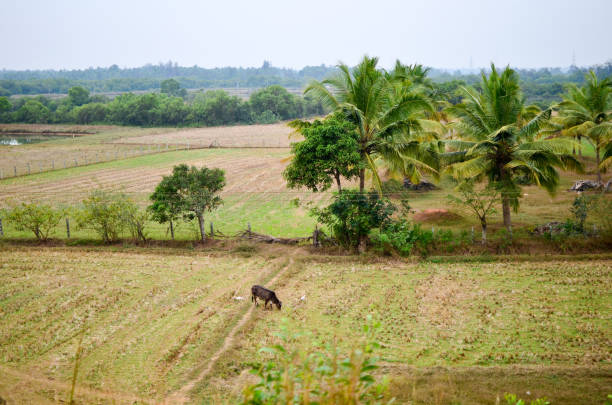
Agricultural real estate is rapidly emerging as one of the most promising investment sectors in India. While traditional real estate focuses on residential and commercial properties, a new trend is gaining attention—investing in farmland that combines agriculture with long-term wealth creation. Among India’s emerging destinations, North Goa stands out as a region where natural beauty, tourism growth, and agricultural potential come together.
With increasing demand for eco-friendly living, organic farming, and agro-tourism experiences, farmland in North Goa is attracting investors who want both financial returns and a sustainable lifestyle. Communities like Krishi Parivar are also playing an important role in spreading awareness about modern agriculture and farmland investment opportunities.
Understanding Agricultural Real Estate
Agricultural real estate refers to land that is used for farming, plantations, or agriculture-based projects but also holds investment value. Unlike urban property, farmland is a productive asset that can generate income while appreciating in value over time.
In regions like North Goa, farmland investment has evolved beyond traditional farming. Investors now use agricultural land for:
- Organic farming and horticulture
- Farmhouse developments
- Agro-tourism projects
- Plantation farming
- Sustainable living communities
This combination of agriculture and real estate creates a unique investment model that blends farming with wealth creation.
Why North Goa is Attracting Agricultural Real Estate Investors
North Goa is globally known for its tourism industry, beaches, and vibrant lifestyle. However, beyond tourism, the region has fertile agricultural land and traditional farming systems that support long-term agricultural development.
Historically, Goa has practiced innovative farming methods such as the Khazan system, a traditional land-reclamation and water-management technique used for rice and fish cultivation in coastal areas.
These agricultural traditions demonstrate that farming has always been a key part of Goa’s landscape.
Today, modern investors are rediscovering this potential and turning farmland into productive and profitable assets.
Tourism and Agro-Tourism Opportunities
Tourism is one of the most powerful drivers of economic activity in Goa. Millions of visitors travel to the state each year for beaches, culture, and nature experiences. This demand creates opportunities for agro-tourism and rural tourism projects.
Agro-tourism connects farming with hospitality by allowing visitors to experience farm life, local food production, and nature-based activities. Research shows that agro-tourism can strengthen rural economies and create new income streams for farming communities.
Examples of agro-tourism developments include:
- Organic farm stays
- Nature retreats
- Farm-to-table dining experiences
- Plantation tours
For investors, this means farmland can generate revenue not only through agriculture but also through tourism-based experiences.
Government Policies Supporting Agricultural Development
Government policies are also encouraging agricultural growth in Goa. The Goa State Agriculture Policy 2025 focuses on sustainable farming practices, climate-resilient agriculture, and improved productivity for farmers.
The policy also promotes:
- Climate-smart agriculture
- Efficient water management
- Collaboration between farmers, government agencies, and private investors
Additionally, the government has introduced programs supporting horticulture crops such as mango, coconut, and cashew, which are important agricultural products in Goa.
These initiatives aim to strengthen agriculture and make the sector more attractive for investors and young entrepreneurs.
High Potential for Land Value Appreciation
One of the most compelling reasons investors are exploring farmland in North Goa is its long-term appreciation potential. As infrastructure, tourism, and real estate development expand in the region, agricultural land in nearby areas often increases in value.
Several factors support land appreciation in North Goa:
- Growing tourism economy
- Improved road connectivity and infrastructure
- Rising demand for eco-living and farmhouses
- Limited availability of coastal land
Real estate analysts suggest that land in developing tourism regions can provide strong long-term returns due to increasing demand and limited supply.
For investors with a long-term perspective, farmland can become a valuable asset in their investment portfolio.
Income Opportunities from Farmland
Unlike many other types of property, farmland can generate income while being held as an investment. This makes agricultural real estate particularly attractive.
Some common income sources from farmland include:
- Plantation crops such as coconut, cashew, and mango
- Organic vegetable farming
- Leasing land to farmers
- Agro-tourism activities
- Farmhouse rentals
Farmland, therefore, provides both active and passive income opportunities.
Sustainable Living and Lifestyle Benefits
Another important factor driving farmland investment is the growing interest in sustainable living. Many people are seeking alternatives to crowded urban environments and want to reconnect with nature.
Owning farmland allows individuals to:
- Grow organic food
- Live in a natural environment
- Develop eco-friendly homes
- Promote sustainable agricultural practices
Communities such as Krishi Parivar encourage sustainable farming and knowledge-sharing among farmers and investors, helping people understand the economic and environmental value of agricultural land.
Legal and Investment Considerations
Before purchasing agricultural land in Goa, investors should understand the legal framework governing farmland ownership.
Important considerations include:
- Verifying clear land titles
- Checking zoning and agricultural classification
- Ensuring road access and infrastructure
- Understanding local land regulations
Indian citizens are generally allowed to buy farmland in Goa, though foreign nationals face restrictions and must follow specific legal procedures.
Proper legal due diligence ensures a secure and transparent investment.
Future Outlook of Agricultural Real Estate in North Goa
The future of agricultural real estate in North Goa looks promising due to several emerging trends:
- Rising demand for organic food and sustainable farming
- Increasing interest in agro-tourism experiences
- Government policies supporting agricultural development
- Growing popularity of eco-friendly lifestyle investments
As urbanization continues and people seek greener living environments, farmland in scenic regions like North Goa is expected to become even more valuable.
Conclusion
North Goa’s agricultural real estate sector represents a powerful combination of natural resources, tourism potential, and long-term investment value. By blending farming with wealth creation, farmland investment allows individuals to build financial security while supporting sustainable agriculture.
With supportive government policies, growing tourism demand, and increasing awareness of organic farming, the region offers significant opportunities for investors.
Through knowledge platforms and agricultural communities like Krishi Parivar, investors and farmers can better understand how farmland can become both a productive agricultural asset and a pathway to long-term wealth creation.